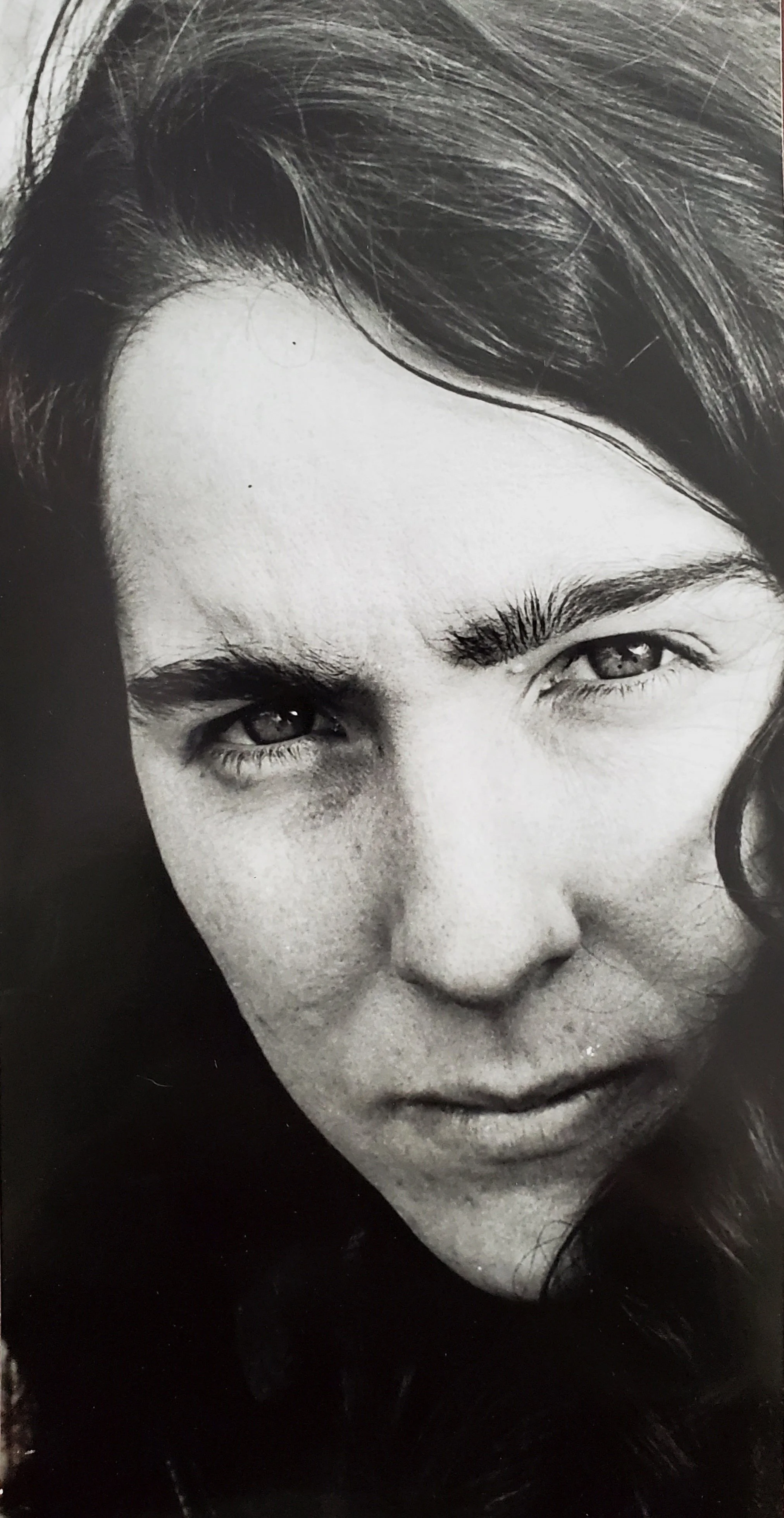
K. Orr Ambrose
American artist K. Orr Ambrose, born 1970, grew up in the foothills of South Carolina. Her early art education began at 8 years old with drawing classes at the Greenville County Museum of Art. From there she went on to receive private instruction and enroll in the Greenville Fine Arts Center. Beginning in 1986, Ambrose began making regular visits to Monhegan Island in Maine to visit family. She was heavily influenced by the artists she met there, including Lynne Drexler and Don Stone. She attended the Lamar Dodd School of Art at the University of Georgia, where she studied under acclaimed artist Charles Hinman. She earned her BFA with a double major in Painting and Ceramics and was awarded a 3 year residency at Odyssey Center in Asheville, NC. She has been exhibiting in group and solo shows for 30 years. Most recently, her work has been shown at the Gaston County Art Museum, Dallas, NC; York County Arts Center, Rock Hill, SC; Central Piedmont Community College, Charlotte, NC; Converse College, Spartanburg, SC; Spartanburg Art Museum, Spartanburg, SC; Asheville Museum of Science, Asheville, NC, and the Museum of Life and Science, Durham, NC.
Ambrose has lived in Charlotte, North Carolina since 2012.
ARTIST STATEMENT
My current body of work examines the concept of Self-Storytelling — the stories you tell yourself and how they profoundly shape you and conjure your world. The series aims to bring attention to the limitations of the consciousness of self-stories and what happens when you bring greater awareness to these thoughts and beliefs. How do your stories affect your perceptions? How do they affect others? If you are living one story can you stop telling it and choose another?
Each painting in the series is a unique, open story created by a spontaneous imagery combined from photographs, daily life, and my imagination. The figures are often found in surreal circumstances and dreamlike, abstracted landscapes which point back to the subjectivity of perception. Each painting relies on the relationship found between its human and/or animal characters suggesting archetypes, mythologies, and instances of coexistence that are both a celebration of the natural world and elegies to its destruction. The viewer is invited to enter through their own personal experiences, reflections, or memories. Any meaning or narrative is open to interpretation and an act of conscious engagement. I like to think I am constructing stories that both do and do not belong to any specific person, but embrace the plurality of realities and encourage us, if only for a moment, to step out of the story and into the song.